

Introduction
Modern buildings and industrial systems need insulation that does more than simply reduce heat transfer. The right material may also need to withstand moisture, support structural loads, resist chemicals, fit complex designs, and maintain reliable performance over many years. This is where Polyurethane foam insulation has become an important solution across construction, refrigeration, transport, and engineered composite applications.
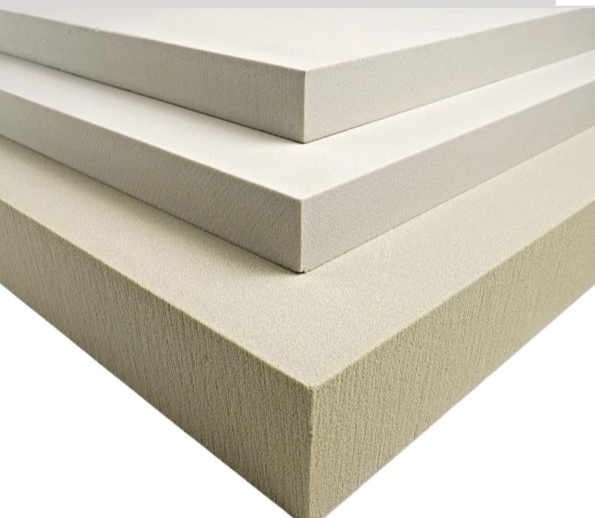
Among the different rigid foam materials available, rigid polyurethane and polyisocyanurate foams are valued for their combination of low weight, thermal efficiency, mechanical strength, and manufacturing flexibility. They can be supplied as sheets or converted into precisely shaped components for specific industrial requirements.
Understanding Rigid Polyurethane Foam
Rigid polyurethane foam is a closed-cell insulation material designed to provide strong thermal performance without adding excessive weight to a structure. Its combination of low thermal conductivity and useful mechanical properties makes it suitable for applications where space, durability, and energy efficiency all matter.
Polyurethane materials have been used commercially since the middle of the twentieth century. Their versatility has allowed them to move well beyond traditional insulation and into industries including construction, automotive manufacturing, refrigeration, furniture, transportation, marine applications, and specialist composite manufacturing.
Rigid polyurethane and polyisocyanurate products are particularly useful when manufacturers need an insulation core that can bond with other materials and become part of a finished panel or composite assembly.
Why Thermal Performance Matters
One of the biggest reasons to choose polyurethane-based insulation is its ability to slow the movement of heat.
Rigid polyurethane insulation can achieve thermal conductivity values in the region of 0.022 to 0.028 W/m·K, depending on the product and specification. This low thermal conductivity means that a relatively thin layer can provide substantial insulation.
For buildings, this can be valuable where available wall, roof, or floor space is limited. Instead of relying on an extremely thick insulation layer, a high-performance foam can provide effective thermal resistance while helping designers maintain usable space.
The same principle is important in refrigeration. Cold-storage rooms and temperature-controlled transport require insulation that limits unwanted heat gain. Rigid polyurethane foam can therefore be incorporated into composite panels for cold rooms and insulated truck bodies.
Benefits of Polyurethane Foam Insulation
Choosing insulation is rarely based on thermal performance alone. A successful material must also suit the physical and environmental demands of the application.
1. High Thermal Efficiency
Low thermal conductivity is one of the primary advantages of polyurethane foam. Effective insulation helps reduce heat transfer through building envelopes, refrigeration panels, and other temperature-controlled systems.
Over the lifetime of a project, improved thermal performance can contribute to lower energy requirements, particularly where heating or cooling operates continuously.
2. Lightweight Construction
Rigid foam provides a useful balance between insulation performance and weight. This can be especially important in vehicles, boats, aircraft components, composite panels, and other applications where every additional kilogram can affect design or transportation requirements.
A lightweight insulation core can help manufacturers create strong composite structures without unnecessarily increasing overall weight.
3. Mechanical Strength
Some rigid polyurethane products are manufactured specifically for structural applications. Their compression resistance and strength-to-weight characteristics make them suitable as core or filler materials in composite components.
Depending on the formulation and density, rigid structural foams can be produced across a broad range of densities, allowing engineers to select a material according to the required performance.
4. Moisture and Mildew Resistance
Insulation may be exposed to humid environments, condensation, or accidental moisture. Rigid polyurethane systems can offer useful resistance to moisture and mildew, helping the material maintain its function in demanding environments.
Correct installation remains essential, however. Joints, barriers, coverings, and surrounding construction all influence the long-term performance of an insulation system.
5. Manufacturing Versatility
Foam insulation does not always have to be installed as a simple flat board. Rigid foam can be supplied in sheets or manufactured into CNC-cut components for specific applications.
This makes it possible to produce shapes that fit around engineered assemblies, composite parts, machinery, ducts, transport structures, and other specialized designs.
Structural Applications of Rigid Foam
Insulation and structural performance are not necessarily separate requirements. In composite construction, the insulation core can also contribute to the stiffness and integrity of the finished component.
Rigid polyurethane foam is used as a core or filler material in several sectors, including rail transportation, boat building, construction, buses and coaches, aircraft manufacturing, furniture production, and specialist engineering.
Its resistance to many solvents, oils, styrene, and polyester resins can also make it suitable for composite manufacturing processes where the foam needs to work alongside other materials.
This combination of chemical resistance, compression performance, low weight, and dimensional flexibility makes rigid foam useful for engineered components rather than only conventional insulation.
Polyurethane Foam in Refrigeration and Cold Storage
Maintaining a stable temperature is critical in warehouses, food storage facilities, pharmaceutical environments, and refrigerated transportation.
Even small weaknesses in an insulation system can increase heat transfer and force cooling equipment to work harder. High-performance foam cores help create insulated panels that reduce this unwanted thermal movement.
Rigid polyurethane insulation is particularly suited to applications such as cold-storage rooms and insulated vehicle bodies because it combines strong insulation performance with a relatively low material thickness.
For refrigeration systems, designers must also consider panel joints, thermal bridges, doors, seals, and installation quality. Insulation works best when it forms part of a properly engineered complete system.
Where Fire Performance Becomes Important
Thermal insulation and fire safety must be considered separately. Different foam technologies have different fire characteristics, and the correct material should always be selected according to the requirements of the specific building or application.
Phenolic rigid foam, for example, is another specialist insulation option known for its strong fire performance. Certain phenolic products can demonstrate very low flame spread and limited smoke production when appropriately tested and certified.
Its closed-cell structure also contributes to very low thermal conductivity. Some phenolic products can achieve thermal conductivity values around 0.018 W/m·K, subject to the relevant product specification and certification.
In suitable engineered systems, phenolic insulation may be used in external wall assemblies, ventilated façades, composite panels, ducting, and other applications where both thermal and fire performance are priorities.
Choosing the Right Foam for the Project
There is no universal insulation material that is ideal for every situation. Product selection should begin with the actual demands of the project.
Important considerations include:
- Required thermal conductivity
- Operating temperature
- Desired insulation thickness
- Density and compression strength
- Moisture exposure
- Chemical compatibility
- Fire performance requirements
- Shape and manufacturing tolerances
- Installation method
- Applicable building or industry standards
For example, a refrigeration panel may prioritize thermal efficiency and temperature stability, while a composite boat component may place greater emphasis on weight, structural performance, resin compatibility, and moisture resistance.
Working with an experienced foam manufacturer or insulation specialist can help ensure the selected grade matches the intended application rather than simply choosing a material based on its headline thermal rating.
Environmental and Energy Considerations
Insulation can contribute to environmental performance by reducing the energy required to heat or cool a building or industrial system. Better thermal control can reduce operational energy consumption and, depending on the energy source, associated carbon emissions.
However, environmental performance should be considered across the entire product life cycle. Factors such as manufacturing processes, blowing agents, durability, installation, maintenance, and end-of-life treatment can all influence the overall impact of an insulation product.
Products designed for long service life can also provide value by reducing the frequency with which insulation needs to be replaced.
Conclusion
Polyurethane foam insulation offers a practical combination of thermal efficiency, low weight, strength, moisture resistance, and manufacturing flexibility. From cold-storage panels and refrigerated vehicles to construction systems and composite structures, rigid foam can be adapted to a wide variety of technical requirements.
The real advantage of Rigid polyurethane foam is its versatility. It can function as an efficient insulation layer, a lightweight composite core, or a precisely manufactured component depending on the formulation and application.
For projects where fire performance is a major consideration, specialist materials such as phenolic foam may also provide valuable alternatives, particularly where stringent thermal and fire requirements must be addressed together.
Ultimately, the best insulation choice depends on the complete set of project requirements. By considering thermal performance, mechanical properties, moisture exposure, fire standards, manufacturing needs, and long-term operating conditions together, businesses can select an insulation solution that delivers reliable performance rather than focusing on a single specification.
