

Introduction
Most electrical problems do not announce themselves before they become serious. A circuit can continue working while wiring deteriorates, connections become loose, or protective components stop performing as they should. For this reason, simply having lights, sockets and appliances working does not necessarily mean an electrical installation is in good condition.
Professional inspection and testing provide a practical way to look beyond everyday operation. Whether you own a home, manage rental accommodation or operate a commercial premises, regular electrical assessments can reveal issues that may otherwise remain unnoticed.
For property owners in the area, Electrical Testing Telford is an important part of maintaining a dependable installation and reducing avoidable electrical risks.
Why a Working Electrical System Still Needs Checking
Electrical faults can develop gradually. Age, heavy usage, previous alterations, environmental conditions and poor workmanship can all affect the condition of an installation.
A property owner may not notice a developing problem until something more obvious occurs, such as:
- A circuit repeatedly tripping
- Lights unexpectedly flickering
- Sockets becoming unusually warm
- Burning or unusual electrical smells
- Damage to cables or accessories
- Equipment behaving inconsistently
- Unexpected loss of power
However, waiting for visible symptoms is not an ideal approach to electrical safety. A professional inspection can investigate the condition of an installation before a minor defect develops into a major concern.
This proactive approach is one reason Electrical Testing Shropshire is valuable for residential, rental and commercial properties.
What Is Involved in an Electrical Inspection?
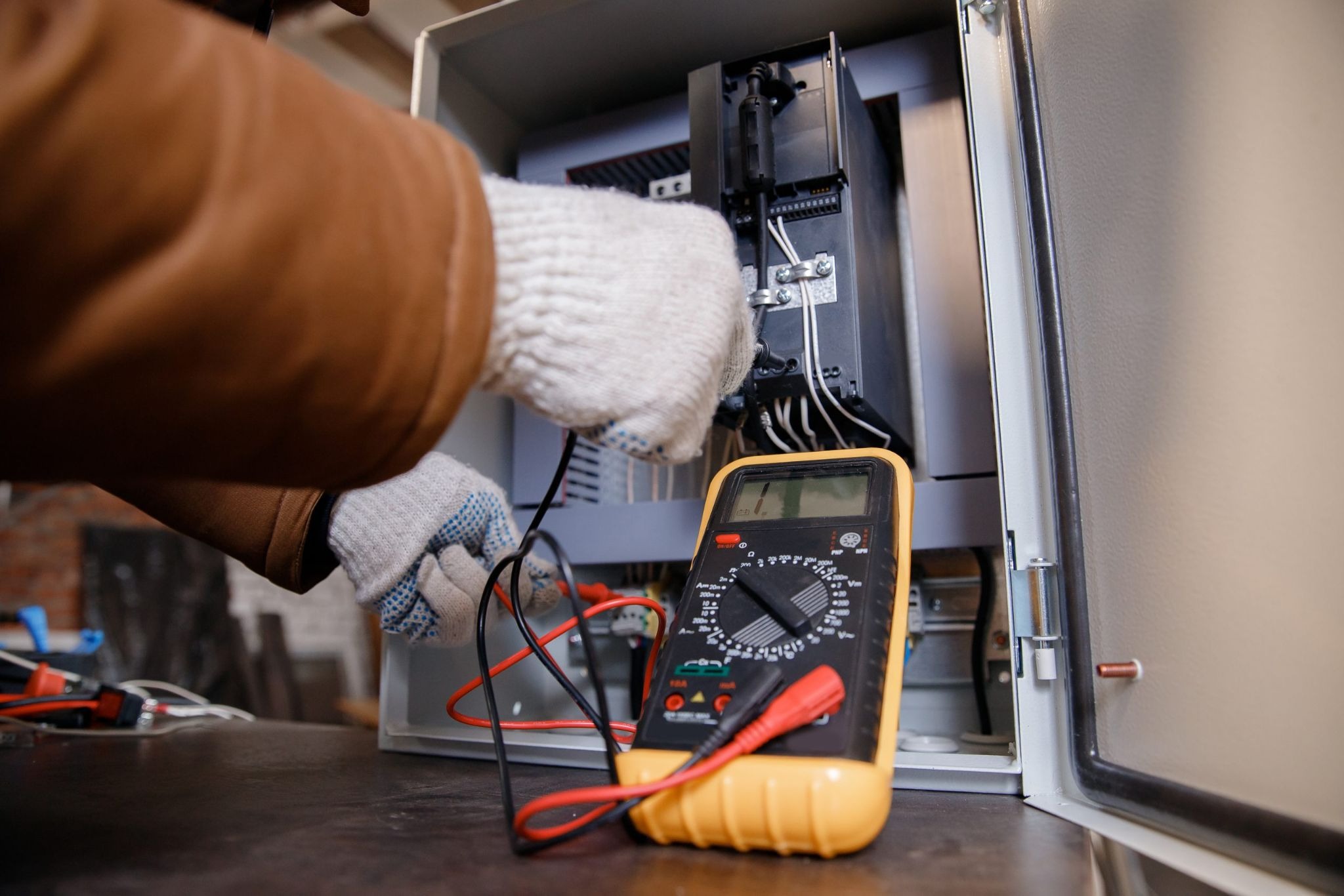
Electrical inspection is more than looking at sockets, switches and visible cables. A qualified electrician assesses relevant parts of the installation and carries out appropriate testing to establish whether the system is operating safely.
Depending on the property and the reason for the inspection, this can include examining wiring, consumer units, protective devices, earthing arrangements, connections and other components.
The objective is to establish whether the installation is suitable for continued use and whether any defects require attention.
The findings can then be documented in an appropriate electrical report or certificate.
New Work Requires Proper Verification
When a new electrical installation is completed, or when significant additions and alterations are made, an Electrical Installation Certificate (EIC) may be issued following the appropriate inspection and testing.
This provides useful evidence that the completed electrical work has been checked against relevant requirements.
It can be particularly useful after:
- Rewiring projects
- New circuits being installed
- Major electrical alterations
- Electrical additions to an existing property
- Significant installation work
Existing Installations Need Periodic Assessment
Older electrical systems require a different approach. An Electrical Installation Condition Report (EICR) is designed to assess the condition of an existing installation.
Rather than simply confirming that recently completed work has been installed correctly, an EICR considers whether the existing electrical system remains reasonably safe for continued use.
This can be particularly useful when purchasing a property, managing rented accommodation or maintaining an older building.
The Hidden Value of Electrical Testing Telford
Electrical testing offers more than a certificate or report. Its real value comes from helping property owners make better maintenance decisions.
Finding Defects Before They Escalate
A small electrical defect can potentially become much more expensive or dangerous when ignored. Identifying problems during a planned inspection allows the owner to investigate and address them before they result in serious disruption.
Reducing Electrical Safety Risks
Electricity can create serious hazards when installations are defective. Testing helps identify conditions that may contribute to electric shock, overheating, equipment damage or fire.
Supporting Legal Responsibilities
Electrical safety is particularly important for businesses and landlords. The Electricity at Work Regulations 1989 place duties on employers and relevant duty holders concerning the safety of electrical systems used at work.
Landlords also have specific electrical safety responsibilities for rented properties, making appropriate inspection and documentation an important part of property management.
Helping Protect Valuable Equipment
Modern buildings can contain expensive electrical appliances, computers, machinery, heating systems and specialist equipment. Problems within the electrical supply can potentially affect connected equipment.
Regular inspection can help identify installation issues that could otherwise contribute to equipment damage or unexpected interruptions.
Electrical Checks for Landlords and Rental Properties
Rental properties have additional considerations because electrical safety affects both the property owner and the people living in the building.
A landlord should not wait until a tenant reports an electrical fault before considering the condition of the installation. Planned inspection helps provide a more structured approach to maintaining the property.
An EICR can identify defects and provide a record of the electrical condition at the time of inspection. Where the relevant regulations apply, landlords must also provide tenants with a copy of the electrical safety report within the required period.
Keeping electrical records organised can make property management easier and demonstrate that electrical safety has been treated as an ongoing responsibility.
Commercial Premises Have Different Electrical Demands
A small house and a busy industrial facility obviously place very different demands on their electrical systems.
Commercial and industrial properties may have:
- Three-phase electrical equipment
- Manufacturing machinery
- Large lighting systems
- Data and communication cabling
- Security installations
- Electric vehicle charging equipment
- Specialist production equipment
- Multiple distribution boards and circuits
These environments can therefore benefit from structured testing and planned electrical maintenance.
Businesses looking for Electrical Testing Shropshire should consider an electrician’s experience with commercial and industrial systems rather than selecting a contractor based solely on the cheapest quotation.
Testing Can Support Better Maintenance Planning
One of the practical advantages of electrical inspection is that it can help property owners move away from reactive maintenance.
Reactive maintenance means waiting for something to fail before taking action. This can lead to unexpected downtime, emergency call-outs and potentially higher costs.
Planned electrical maintenance is different. Testing can highlight areas that need attention and allow the property owner to prioritise work according to its urgency.
For a business, this may mean arranging repairs during a convenient period instead of dealing with an electrical failure during working hours.
For a landlord, it can mean addressing problems before they become disruptive for tenants.
For a homeowner, it can provide a clearer understanding of the condition of the property’s electrical infrastructure.
Electrical Testing and Modern EV Charging
The electrical requirements of properties are changing as electric vehicles become increasingly common.
Installing an EV charger adds another significant electrical load to a property. The installation therefore needs to be approached with the existing electrical system in mind.
Home and commercial EV charging solutions can vary considerably in charging speed. Slower units may suit overnight charging, while faster systems are more appropriate for locations where vehicles need to be charged within a shorter period.
A professional assessment can help determine whether the existing electrical infrastructure is suitable for the planned installation and whether additional work may be required.
This is another area where proper electrical testing and qualified installation can work together to improve safety and reliability.
What Makes a Reliable Electrical Contractor?
Choosing the right contractor is just as important as arranging the inspection itself.
Property owners should look for an electrical company with appropriately trained and qualified electricians, relevant experience and a clear understanding of current electrical requirements.
Experience across different types of properties can also be beneficial. A contractor accustomed to residential wiring may not necessarily have the same practical experience with complex industrial installations.
A professional electrical service should also communicate its findings clearly. Reports can contain technical terminology, so customers should be able to understand what has been discovered, what needs attention and what action should be taken.
Training and continued professional development are also valuable. Electrical standards, technology and installation practices continue to evolve, particularly with the introduction of technologies such as EV charging.
When Should You Consider an Electrical Inspection?
There is no need to wait for a dramatic electrical fault before arranging an inspection.
Testing may be worth considering when:
- You have purchased an older property
- Electrical work has recently been completed
- You are preparing a rental property
- You manage a commercial building
- The installation has not been checked for an extended period
- You are experiencing recurring electrical problems
- You are planning major electrical upgrades
- You are installing equipment with significant electrical demand
If you are unsure about the condition of an installation, speaking with a qualified electrician can help determine the appropriate type of inspection.
A Safer Property Starts With Knowing Its Electrical Condition
Electrical safety is much easier to manage when property owners understand what is happening behind the walls and inside distribution equipment. Testing provides useful information that routine day-to-day use cannot provide.
For homeowners, it can bring reassurance. For landlords, it can support responsible property management. For businesses, it can form part of a wider electrical maintenance and compliance strategy.
Professional Electrical Testing Telford can therefore be viewed as an investment in the long-term reliability and safety of a property rather than simply another maintenance task.
Conclusion
Electrical installations are expected to work reliably every day, but their condition can change over time. Components age, buildings are altered, electrical demand increases and new equipment is introduced. Without appropriate inspection, some developing problems can remain hidden.
Regular electrical assessment can help uncover defects, support safer operation, protect equipment and give property owners useful information for planning future maintenance.
Whether you are responsible for a home, rental property, office, workshop or industrial premises, arranging suitable Electrical Testing Shropshire services can help you take a proactive approach to electrical safety.
A well-maintained electrical system is not just about keeping the power switched on. It is about knowing that the installation has been properly assessed, potential problems are being addressed and the property is being maintained with safety in mind.
