

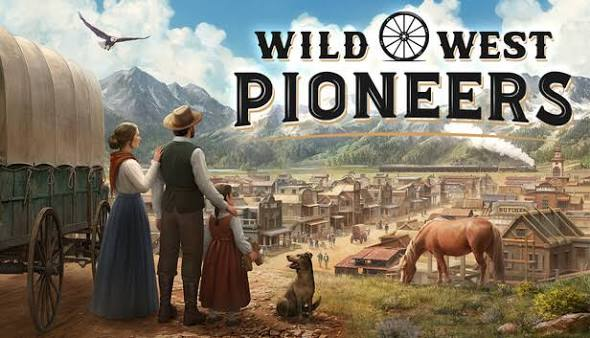
Old Gun Games continue to use Wild West settings because they communicate a story almost instantly. A dusty town, a wooden saloon, a sheriff’s badge, or a revolver immediately tells players where they are and what kind of world they are entering. These familiar images reduce the need for lengthy introductions while creating a strong visual identity.
The version of the Wild West seen in games is usually based on frontier mythology rather than complete historical accuracy. Decades of Western films, novels, and television transformed real events into memorable cultural symbols that remain widely recognized today.
How Frontier Mythology Becomes Game Design?
Developers use frontier mythology as a design framework that shapes the game’s world, characters, and atmosphere. Instead of recreating history in detail, they select symbols that audiences already understand. This allows the setting to feel familiar while supporting different gameplay styles.
The design process commonly includes:
✪ Building frontier towns with saloons, wooden buildings, and dusty streets.
✪ Introducing recognizable characters such as sheriffs, outlaws, bounty hunters, and prospectors.
✪ Using objects like revolvers, wagons, horses, wanted posters, and gold to establish the setting.
✪ Applying earthy colors, desert landscapes, and weathered textures that reinforce the frontier atmosphere.
These choices help Old Gun Games establish their identity without requiring extensive historical knowledge from players.
How Old West Iconography Shapes Game Worlds?
The strength of Western-themed games lies in their visual shorthand. Every major symbol immediately communicates a role or idea. A sheriff represents law, an outlaw represents conflict, and a gold mine suggests opportunity and ambition. Players understand these meanings before gameplay even begins.
This iconography also creates consistency across different games. Whether the game focuses on action, adventure, strategy, or casual mechanics, familiar Western imagery keeps the setting recognizable. The result is a theme that remains visually distinct even when gameplay changes.
Why Frontier Mythology Appeals to Modern Audiences?
Frontier mythology continues to attract players because it tells clear and universal stories. Themes such as survival, justice, exploration, freedom, and the search for fortune are easy to understand regardless of culture or gaming experience. These ideas provide an effective foundation for both gameplay and storytelling.
The setting also balances realism with fiction. While many visual elements are inspired by historical events, developers often simplify or dramatize them to create a more engaging experience. This combination makes Old Gun Games feel authentic enough to be believable without being limited by historical accuracy.
How Western Themes Differ From Other Historical Settings?
Many games use historical periods as the basis for their visual design, but each setting creates a different experience. Ancient Egypt emphasizes mystery and mythology, medieval Europe focuses on kingdoms and warfare, while Viking settings highlight exploration and conquest. The Wild West stands apart by centering on frontier life, expanding settlements, and the tension between law and lawlessness.
Unlike many historical themes, the American frontier has been shaped as much by popular culture as by documented history. Western films and literature have created a recognizable visual language that game developers continue to adapt. This gives Old Gun Games a unique advantage because the setting is already familiar to a global audience.
Why Does the Wild West Remain a Lasting Game Theme?
Old Gun Games demonstrate how frontier mythology can be transformed into effective game design through recognizable symbols, simple storytelling, and consistent visual direction. Rather than relying on historical accuracy alone, developers use Western iconography to communicate setting, conflict, and atmosphere within moments. This combination of history and popular culture explains why the Wild West continues to influence game design across multiple genres.
